
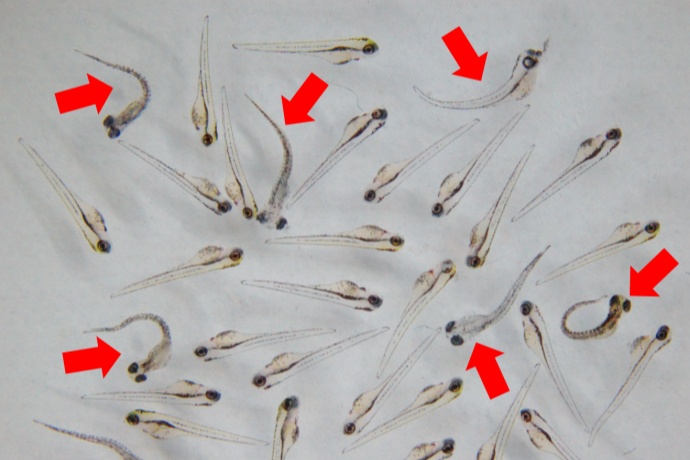
A research group led by Prof. XIAO Wuhan from the Institute of Hydrobiology of the Chinese Academy of Sciences identified SET and MYND domain containing protein 3 (SMYD3) as a negative regulator of the type I interferon signaling pathway, and that SMYD3 directly catalyzes the dimethylation of IRF3 at lysine 39.
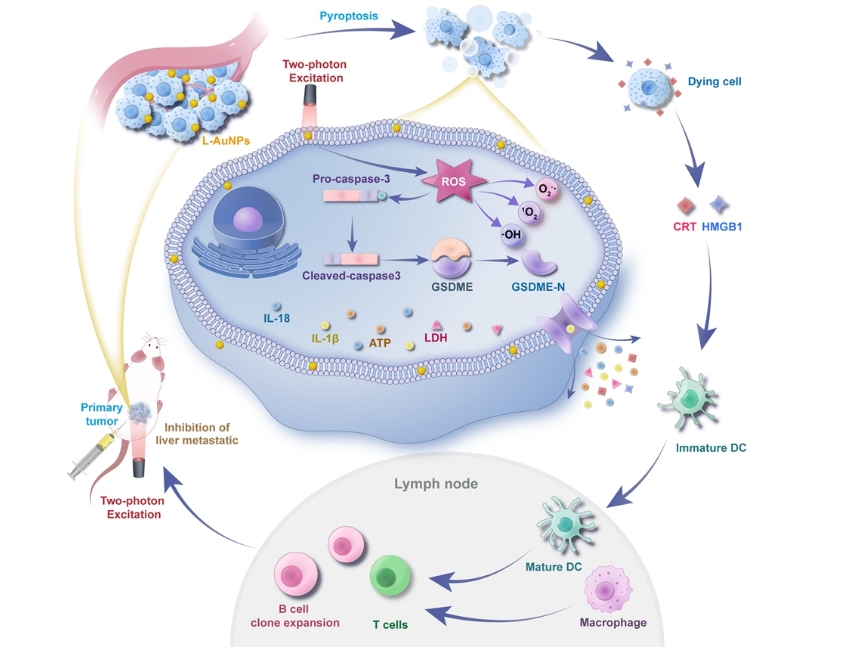
A research group led by JIANG Yuqiang at the Institute of Genetics and Developmental Biology has designed and constructed a new type of two-photon photodynamic therapy photosensitizer based on cell membrane targeting of luminescent gold nanoparticles.
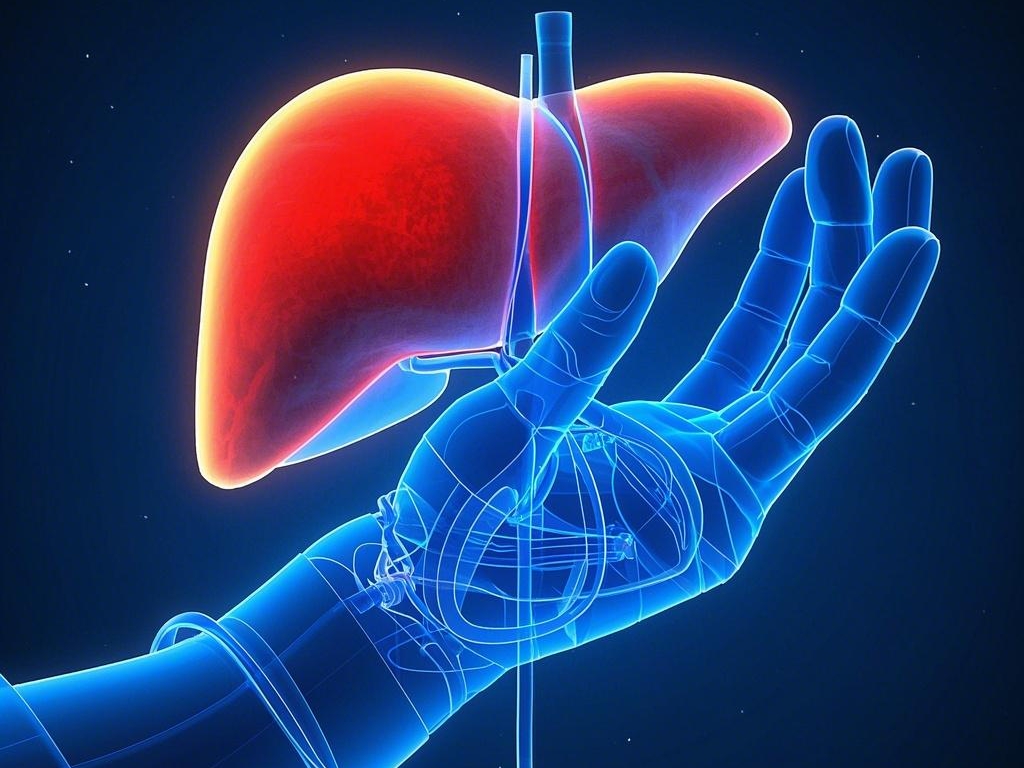
A research team led by the Guangzhou Institutes of Biomedicine and Health of the Chinese Academy of Sciences, in collaboration with the Eastern Hepatobiliary Surgery Hospital of the Second Military Medical University, has identified the transcription factor Lhx2 as a key regulator in hepatic stellate cells. Lhx2 was found to simultaneously promote liver regeneration and inhibit liver fibrosis.
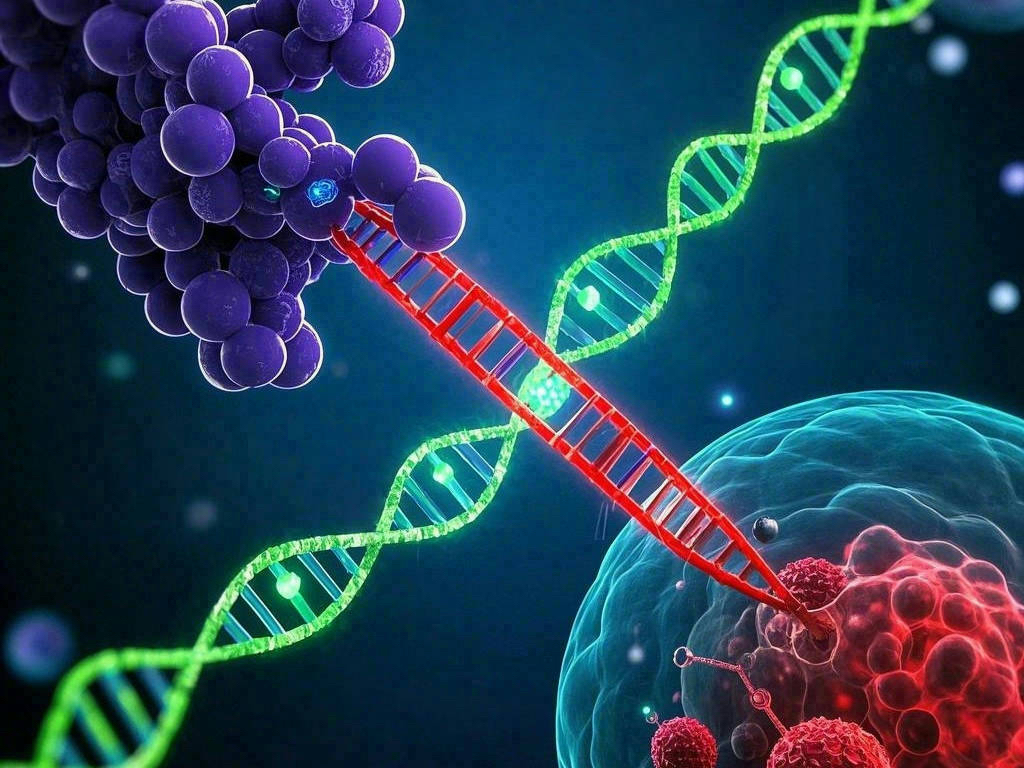
A recent study conducted by the Guangzhou Institutes of Biomedicine and Health of the Chinese Academy of Sciences, examines the species-specific inhibitory effects of the pluripotency regulator STELLA on UHRF1, an oncogenic driver that is critical for maintaining abnormal DNA hypermethylation in human cancers.
A research team led by Prof. LI Yu at the Shanghai Institute of Nutrition and Health of the Chinese Academy of Sciences identified a novel mechanism in understanding the therapeutic mechanism of FFGF21 in treating liver fibrosis and MASH via the protein phosphatase PPP6C.
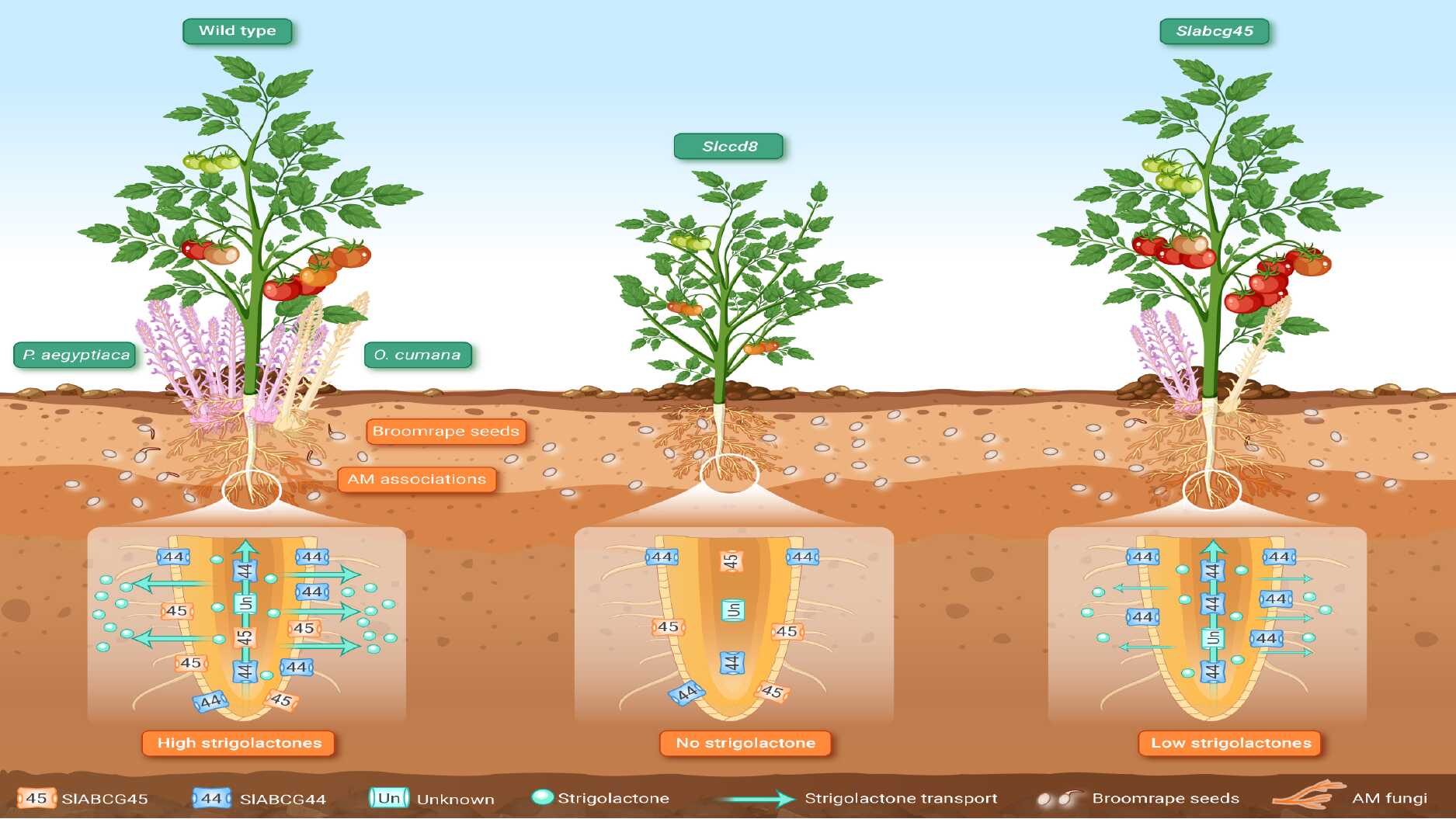
Researchers led by Prof. LI Jiayang from the Institute of Genetics and Developmental Biology have identified a key gene, strigolactone transporter SlABCG45, in tomatoes that plays a crucial role in balancing the host resistance to parasitic weeds and fruit yield in tomato.

86-10-68597521 (day)
86-10-68597289 (night)

52 Sanlihe Rd., Xicheng District,
Beijing, China (100864)
Copyright © 2002 - Chinese Academy of Sciences


