
A research team from the South China Botanical Garden of the Chinese Academy of Sciences, discovered that Bellidifolin, a key active compound in S. diluta, significantly improves obesity and related metabolic abnormalities caused by HFD. This improvement occurs through the modulation of intestinal microbiota and bile acid metabolism.

Researchers from the Institute of Biophysics and the Eye & ENT Hospital of Fudan University employed ultra-high-resolution 7 Tesla functional magnetic resonance imaging along with frequency-tagged electroencephalography to reveal abnormal neural activity in the microcircuitry of the visual cortex in human patients with amblyopia.
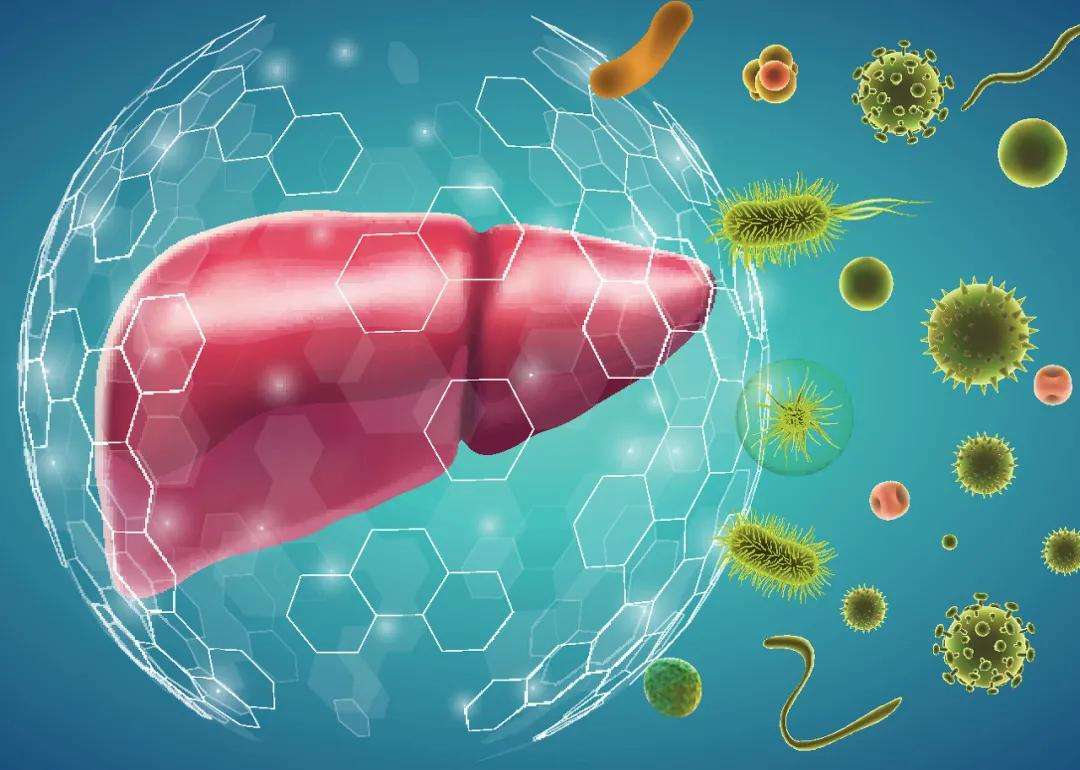
A research team led by ZHANG Fan at the Hefei Institutes of Physical Science of the Chinese Academy of Sciences, working with Professor Huang Zhiwei’s group at Harbin Institute of Technology, has mapped a core immune network that drives the progression of hepatitis B.

A research team from the Kunming Institute of Botany of the Chinese Academy of Sciences has selected the rare edible mushroom Stropharia rugosoannulata as the core conversion medium to construct a Livestock-Crop-Mushroom (LCM) cross-domain circular system.
Researchers from the Shanghai Institute of Materia Medica and the collaborators unveiled a rationally designed sulfonium-modified lipoglycopeptide, BD-V-2, which combats resistant Gram-positive pathogens through a dual mechanism involving enhanced inhibition of membrane and cell wall, as well as downregulation of type VII secretion system (T7SS) proteins.
A research team led by LU Xiaojie from the Shanghai Institute of Materia Medica, along with the collaborators, integrated activity-based protein profiling (ABPP) data with the covalent DNA-encoded chemical library (CoDEL) technology, and identified structurally novel lysine-targeting covalent inhibitors with diverse mechanisms of action.

86-10-68597521 (day)
86-10-68597289 (night)

52 Sanlihe Rd., Xicheng District,
Beijing, China (100864)
Copyright © 2002 - Chinese Academy of Sciences


