

Researchers from Xishuangbanna Tropical Botanical Garden of the Chinese Academy of Sciences revealed how the valuable medicinal plant P. polyphylla (Chong Lou) adaptively enhances the production of its potent anti-cancer and anti-inflammatory compounds, known as polyphyllins, in response to drought stress.
A research team led by Prof. HE Shunping from the Institute of Hydrobiology of the Chinese Academy of Sciences identified 2,113 novel genes and 33,018 novel isoforms in zebrafish embryos using high-resolution full-length RNA sequencing, significantly advancing the understanding of transcriptome complexity during vertebrate development.

A research team led by Prof. HU Chunxiang from the Institute of Hydrobiology systematically analyzed 38 years of daily precipitation records alongside multitrophic microbial community characteristics of the arid regions of northwestern China, and revealed the cascade mechanism through which multifaceted precipitation traits regulate biocrust multifunctionality via microbial diversity.
A team led by Dr. SHA Feng from the Shenzhen Institute of Advanced Technology of the Chinese Academy of Sciences, and the international collaborators, found that regular opioid use is associated with an increased risk of dementia, particularly vascular dementia.
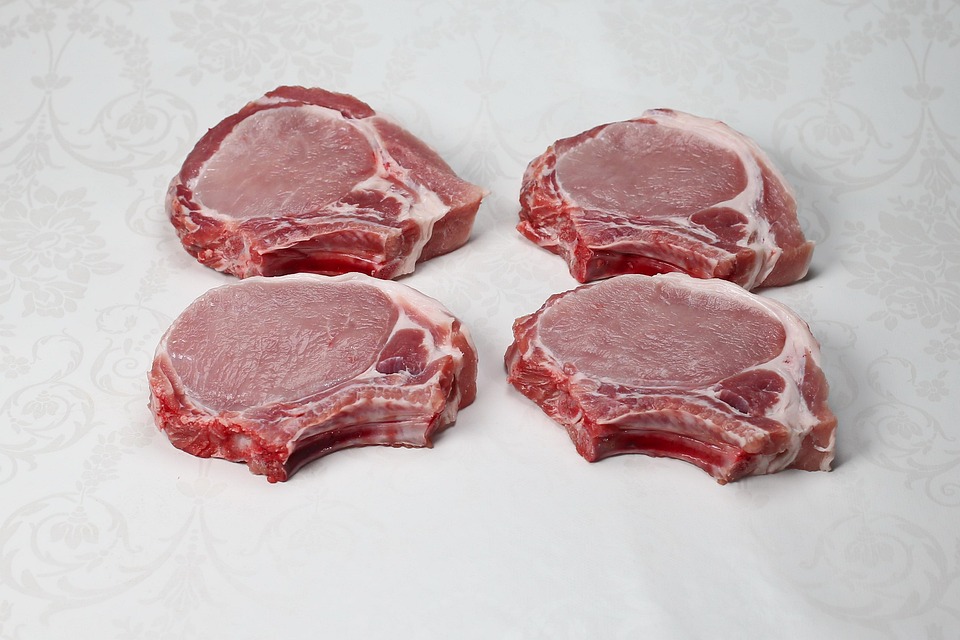
A research team led by Prof. KONG Xiangfeng from the Institute of Subtropical Agriculture of the Chinese Academy of Sciences has revealed a novel strategy to enhance pork quality by modulating gut microbiota, potentially bridging the gap between the high meat yield of commercial pigs and the premium meat quality of Chinese indigenous pigs.

A new study has uncovered how the human brain's perception of pain is influenced by instructions—such as whether to perceive pain as separate sensations or as integrated multimodal pain. The study also reveals how this process works and identifies the neural mechanisms involved.

86-10-68597521 (day)
86-10-68597289 (night)

52 Sanlihe Rd., Xicheng District,
Beijing, China (100864)
Copyright © 2002 - Chinese Academy of Sciences


