
Drawing on recent breakthroughs enabled by cryo-electron microscopy and in situ structural analyses, a research group led by Prof. SUN Fei from the Institute of Biophysics highlighted how these discoveries provide a new conceptual framework for understanding the mechanisms of sperm motility, elucidating the molecular basis of related diseases, and exploring potential intervention strategies.

Researchers from the Institute of Genetics and Developmental Biology have uncovered a previously unrecognized mechanism by which mitochondrial redox signaling preserves nuclear envelope structure and delays aging.
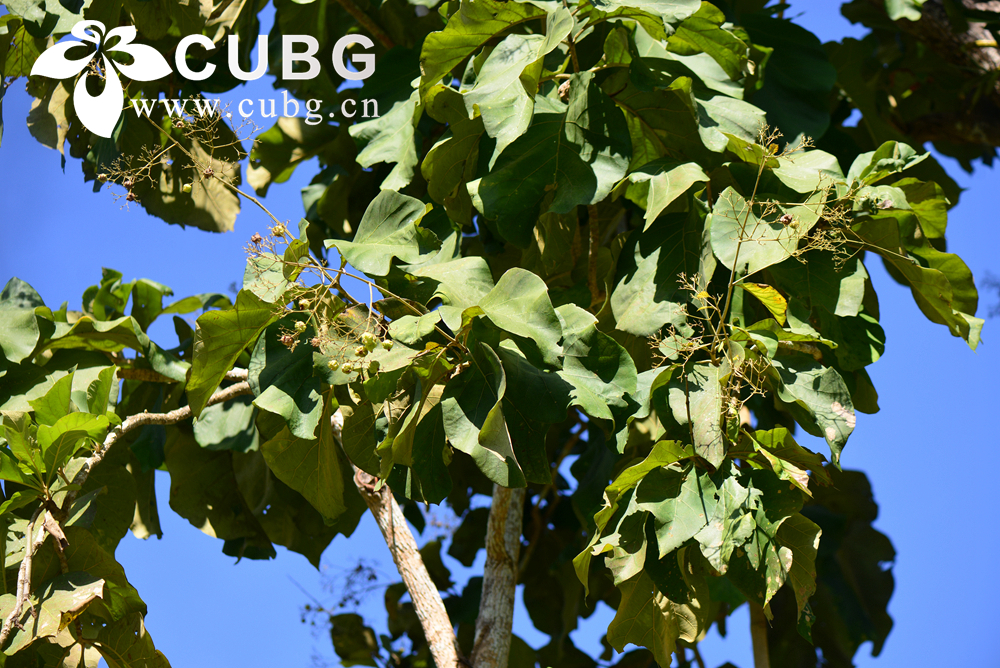
Researchers from the Xishuangbanna Tropical Botanical Garden (XTBG) of the Chinese Academy of Sciences identified a rare natural compound derived from the Teak tree (Tectona grandis) which works in two distinct ways to combat diabetes and lipid disorders.
A research team led by Prof. ZHU Yongguan, a member of the Chinese Academy of Sciences (CAS) at the CAS Research Center for Eco-Environmental Sciences, has identified the mechanisms by which sponge city construction significantly enhances urban plant diversity.
Researchers from the Wuhan Botanical Garden of the Chinese Academy of Sciences used "Hongyang" kiwifruit to simulate high-temperature stress (30°C, 35°C, 40°C, compared with a 25°C control). They systematically monitored physiological indicators, transcriptome characteristics, and dynamic changes in related metabolites to clarify how high-temperature stress affects anthocyanin biosynthesis and stability, providing a theoretical basis for developing fruit quality regulation strategies under high-temperature conditions.
A new study led by Prof. WANG Faming from the South China Botanical Garden of the Chinese Academy of Sciences has shed light on the crucial role of soil microbes in carbon sequestration during mangrove restoration, offering a new microbial-driven perspective for enhancing "blue carbon" sinks.

86-10-68597521 (day)
86-10-68597289 (night)

52 Sanlihe Rd., Xicheng District,
Beijing, China (100864)
Copyright © 2002 - Chinese Academy of Sciences


