
Cyperus esculentus (yellow nutsedge or tiger nut), a representative species of Cyperaceae(the third largest family of monocots), is a unique plant with notably high oil accumulation in its mature tuber, containing up to 20% to 30% oil.
In contrast, its congener Cyperus rotundus accumulates more starch and very little oil in its tuber. However, the key genes and regulatory networks responsible for the difference in oil accumulation between the tubers of these two plants remain unclear.
In order to explore the mechanism of oil accumulation in the nutrient organssuch as tubers, researchers from Xishuangbanna Tropical Botanical Garden (XTBG) of the Chinese Academy of Sciences (CAS) used high-oil, medium-oil Acorus calamus and Cyperus rotundus tubers as research materials and compared their differences in gene transcription through comparative genomics and transcriptomics analysis.
The researchers sequenced and assembled the genome of C. esculentus at the contig level, obtaining the first relatively complete genome sequence of this species as the reference genome.
They subsequently obtained two full-length transcriptomes of C. esculentus and its close relative,C. rotundus, through a combination of second- and third-generation sequencing technologies.
The team compared high-quality transcriptomes in 36 tissues among high-oil, medium-oil, and low-oil C. esculentus and low-oil C. rotundus, hoping to uncover the genetic secrets behind tuber oil accumulation.
They identified tuber-specific genes in two C. esculentus cultivars.
Through trend analysis of tuber development, researchers also found that auxin-related genes gradually downregulated with the development of three types of tubers.
Genes involved in fatty acid (FA) biosynthesis, triacylglycerol synthesis, and TAG packaging presented increased activity in the later stages of tuber development. These genes show higher expression levels in high-oil C. esculentus tubers than in medium-oil ones, while lower expressed or not expressed in C. rotundus.
Through exogenous hormone treatment, the research team also found that treating C. esculentus leaves with ethephon significantly increased the oil content of its tubers.
Moreover, a lack of an important FA biosynthesis rate-limiting enzyme encoding gene was found in C. rotundus transcripts, which may have implications for its oil accumulation capacity.
“Our study provides important information for understanding the mechanisms of efficient oil accumulation in plant nutritional organs and offers new ideas for future genetic engineering to increase plant oil yield.,” said TANG Mingyong, one of the corresponding authors of the study and also a researcher of XTBG.
The study, supported by the Key Deployment Program of the Chinese Academy of Sciences, was published in Plant Science.
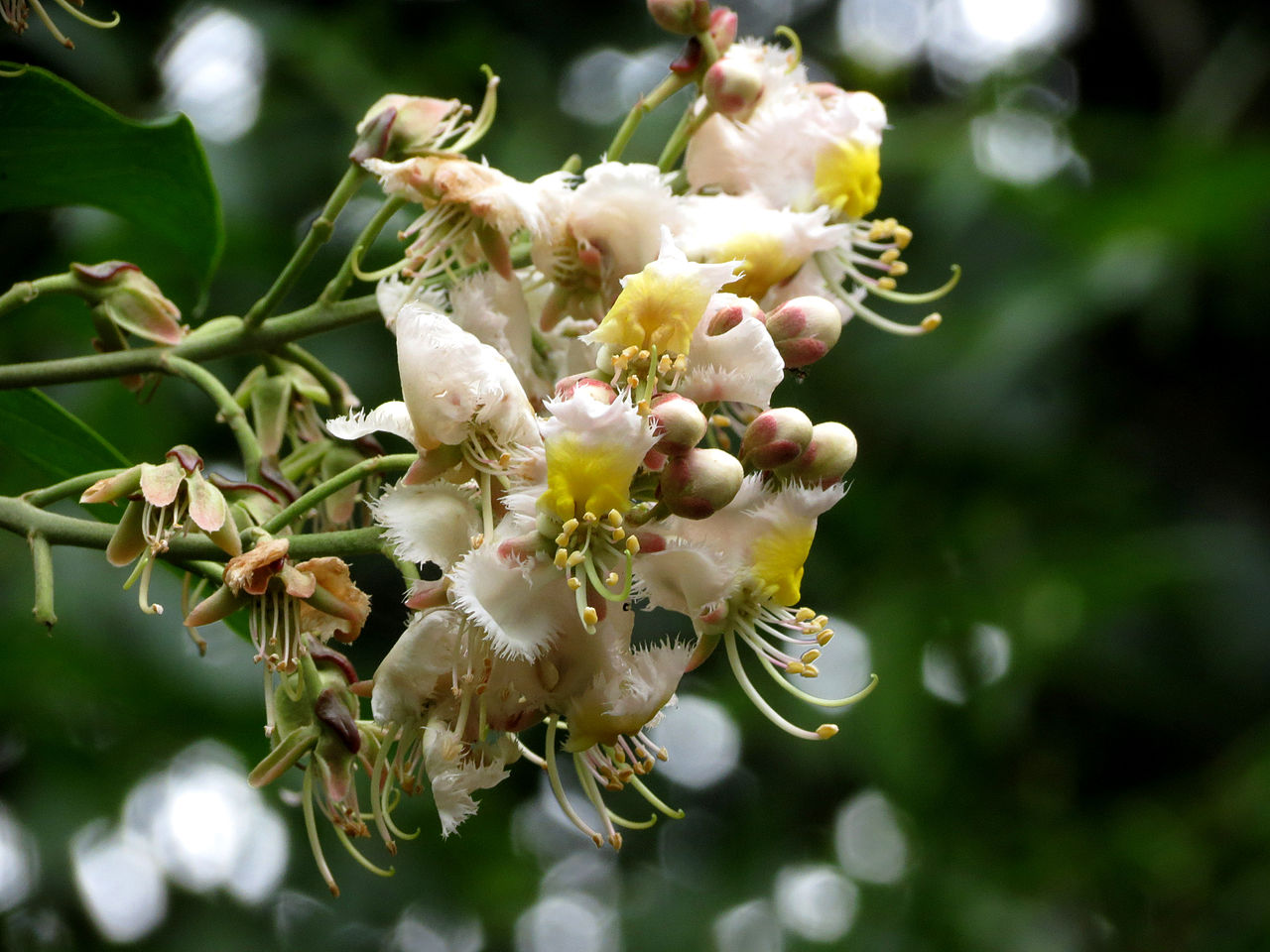
Researchers from Xishuangbanna Tropical Botanical Garden (XTBG) conducted a study to explore the mechanisms of ricinoleic acid biosynthesis and regulation in H. benghalensis at the transcriptional level. They got their results published in Biotechnology for Biofuels.
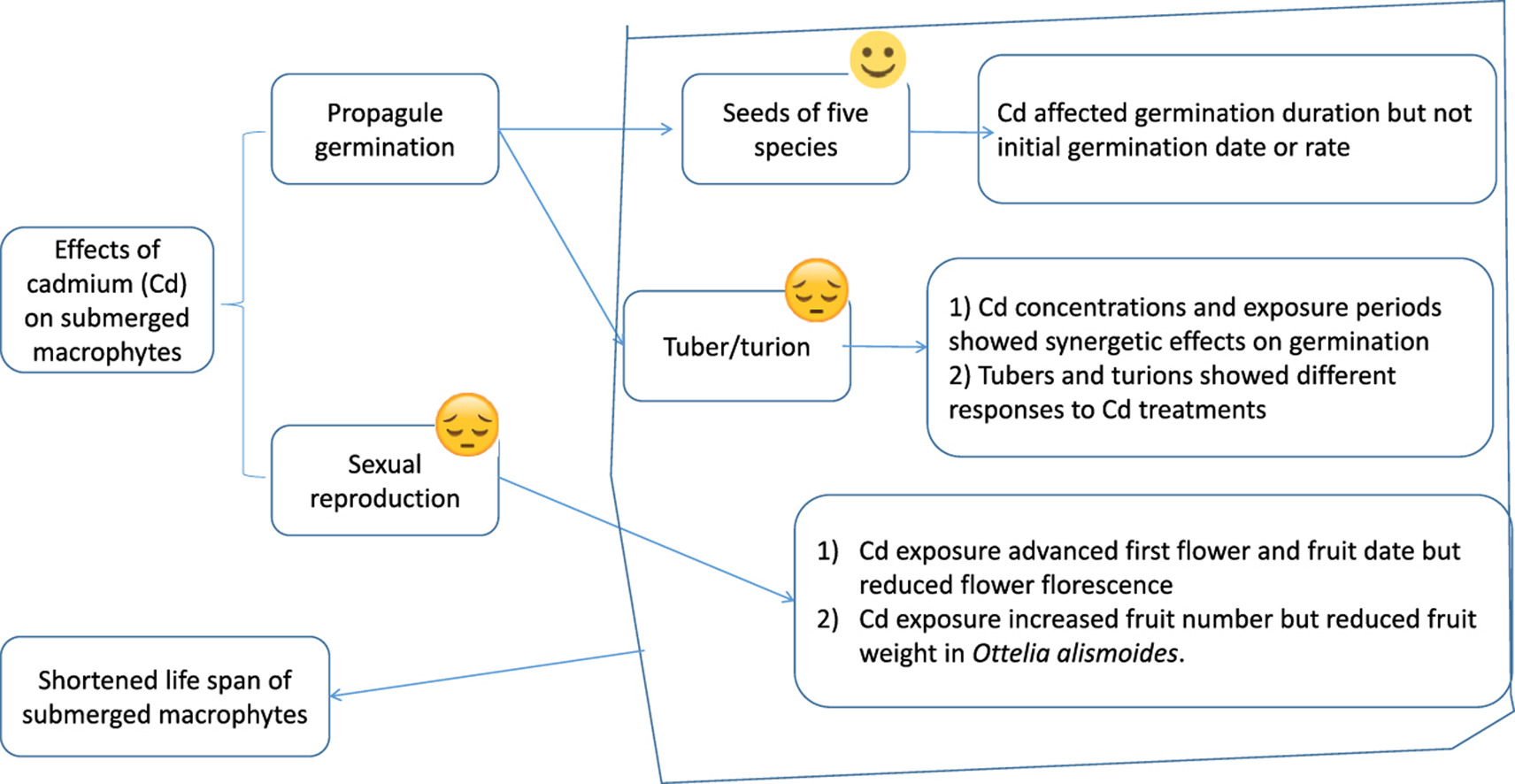
Cadmium (Cd) has become one of most common heavy metal contaminants in China according to the recent Communique of the National Soil Pollution Survey in China. Most recent studies have focused on the effect of heavy metals on the vegetative growth phase of aquatic plants,...

86-10-68597521 (day)
86-10-68597289 (night)

52 Sanlihe Rd., Xicheng District,
Beijing, China (100864)
Copyright © 2002 - Chinese Academy of Sciences


