
Newsroom


The Ordos Basin, the second largest sedimentary basin in China, is located in the western part of the North China Craton. The Tongchuan Formation that occurs in the Middle Triassic is the dominant sedimentary sequence in the Ordos Basin.
Thick organic-rich shales with total organic carbon (TOC) content up to 30%-40% are developed in the Tongchuan Formation. However, up till now, studies of the depositional environment of the Tongchuan shales have been lacking.
Recently, a research team from the Nanjing Institute of Geology and Palaeontology of the Chinese Academy of Sciences (NIGPAS) revealed the depositional environment of the organic-rich shales in the Tongchuan Formation.
The study was published in Geological Journal on July 21.
The researchers conducted high-resolution organic carbon (δ13Corg) and pyrite sulphur (δ34Spy) isotope analysis, TOC/pyrite contents and pyrite morphology investigation, and framboidal pyrite size measurements in the Tongchuan shales.
Remarkably high TOC contents (23 ± 9%) were obtained from the shales, which indicated a large amount of organic carbon burial and thus high primary productivity during shale deposition.
"Low varying δ13Corg values ranging from -31.8‰ to -28.1‰ suggested balanced and consistent carbon cycles and were probably indicative of photoplankton-origin organic matter in shales," said Dr. ZHAO Xiangdong from NIGPAS, first author of the study.
The researchers also found that framboids were the dominant pyrite morphology in the pyrite crystals and showed large and variable mean diameters across the section, indicating oxic–dysoxic bottom water during shale deposition.
"Integrated with pyrite content and morphological patterns, consistent δ34Spy values probably demonstrated a relatively open environment for the formation of sedimentary pyrite, and thus a shallow chemocline that was quite close to the water-to-sediment interface during shale deposition," said ZHAO.
According to the study, the organic-rich shales of the Tongchuan Formation were suggested to be deposited under oxic-dysoxic bottom-water conditions. Shallow chemocline depth combined with moderately high sedimentation rate and high primary productivity may have played crucial roles in the deposition and formation of the organic-rich shales in the Tongchuan Formation. The shallow chemocline also facilitated the fossil preservation in a lacustrine environment.
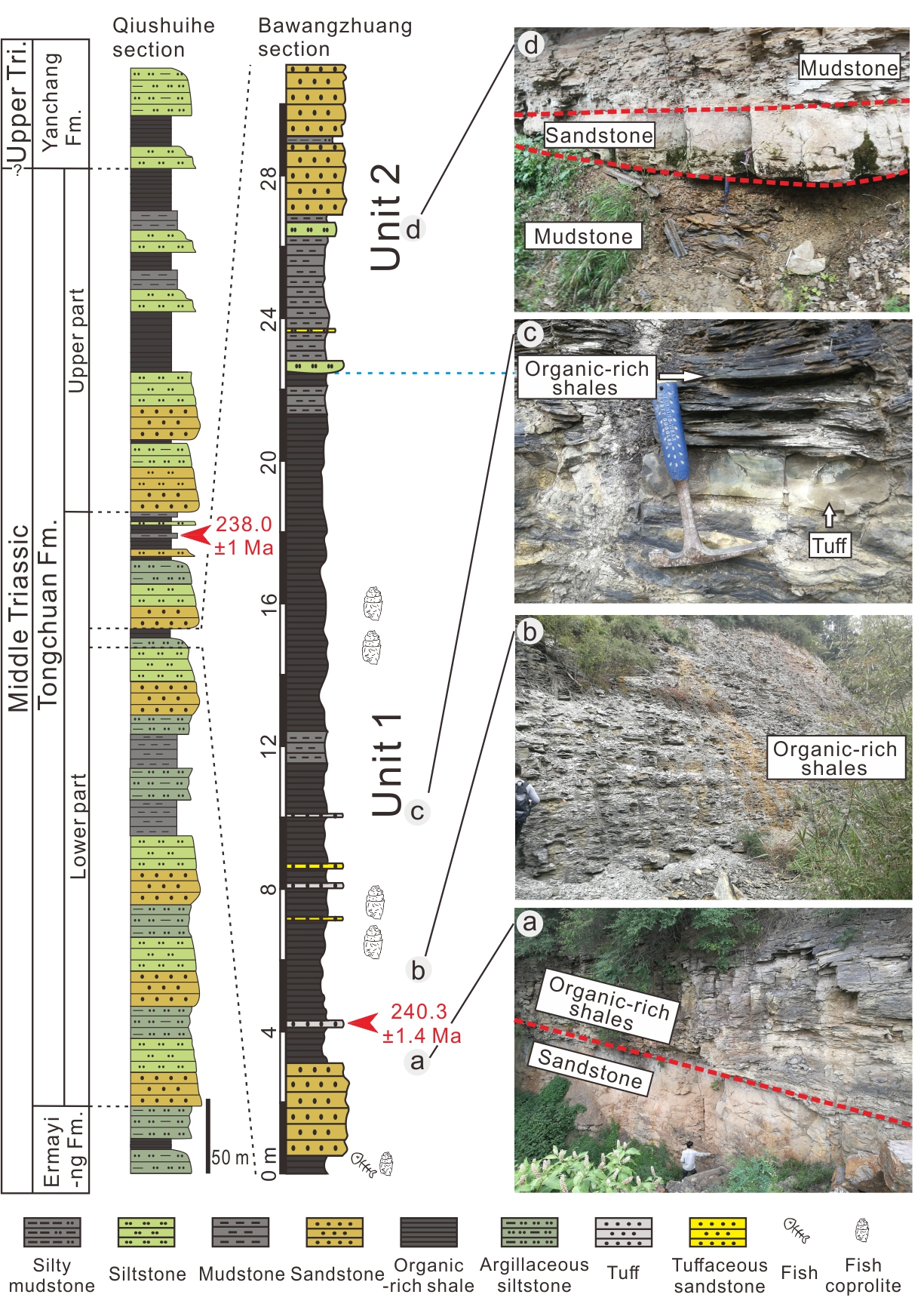
Fig. 1 Field photographs of the Bawangzhaung section (Image by NIGPAS)
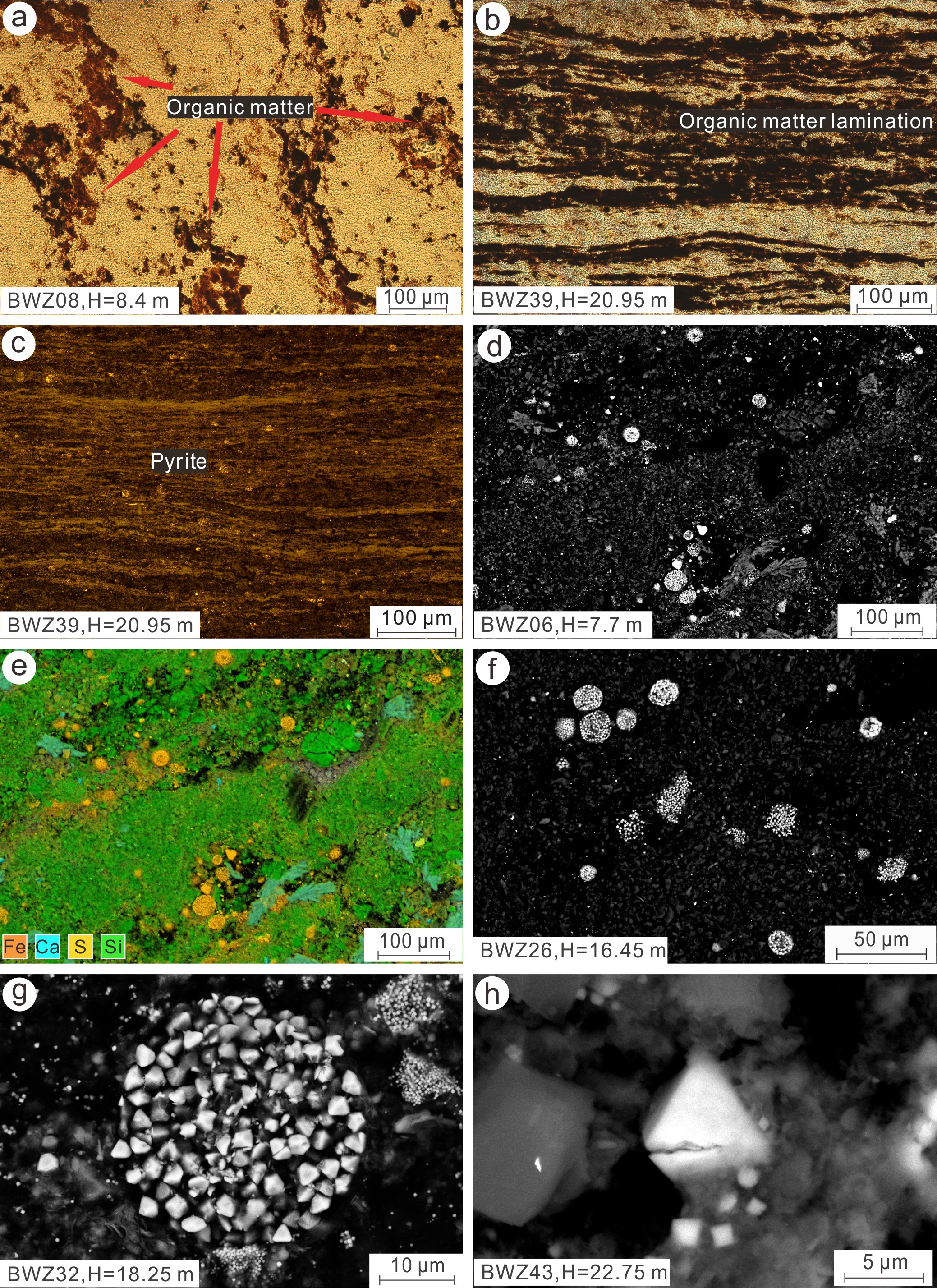
Fig. 2 Petrographic photographs of the Bawangzhuang section (Image by NIGPAS)
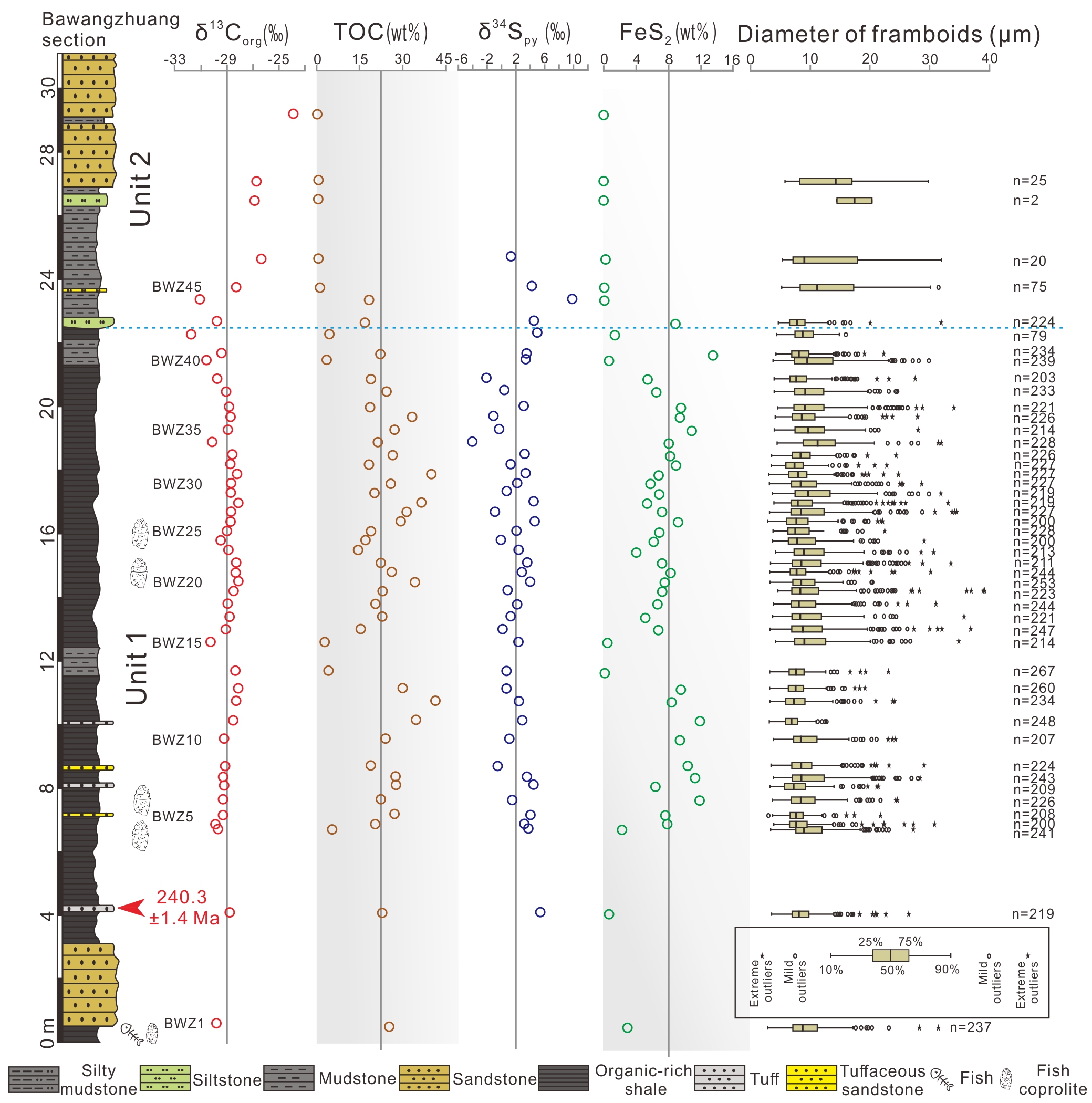
Fig. 3 Geochemical profiles at the Bawangzhuang section (Image by NIGPAS)
