Newsroom


A new study published in Phytotaxa reports that a plant species lost for nearly nine decades has been rediscovered in southwestern China. This discovery provides new evidence of the species' survival and gives scientists the first complete record of its morphology.
Researchers from the Xishuangbanna Tropical Botanical Garden (XTBG) of the Chinese Academy of Sciences have located a surviving population of Cardamine cheotaiyienii during a one-year baseline inventory of the vascular flora of Wenshan National Nature Reserve in southeastern Yunnan. The species had not been recorded since its initial collection in Malipo County in 1940, raising concerns that it might have gone extinct.
"This rediscovery not only confirms the plant's continued existence but also allows us, for the first time, to document its complete morphology, including its fruit and seed characteristics," said TAN Yunhong of XTBG.
Cardamine cheotaiyienii is a scapose perennial known for its leafless flowering stems and large white blossoms. It has a complicated past. Initially described in 1986 as a variety of Hilliella alatipes, it was transferred to the genus Cardamine and elevated to species rank in 1998. The plant is distinguished by its creeping, stoloniferous rhizomes, basal trifoliolate leaves, and complete absence of leaves on its flowering stems.
The newly located population consists of fewer than 100 mature individuals, all confined to a single, short, shaded ravine alongside a small stream, at an elevation of approximately 1,530 meters. The plant grows among subtropical evergreen broad-leaved forests, a habitat that is increasingly rare and vulnerable.
Based on these findings, the researchers classified the species as "endangered" according to the criteria of the International Union for Conservation of Nature Red List.
"Although the existing population is protected within the Wenshan National Nature Reserve in Xichou County, the species is intrinsically vulnerable due to its small population size and strict microhabitat specialization," said TAN Yunhong.
To ensure the long-term survival of this newly discovered species, the researchers are calling for immediate conservation measures. "We recommend expanding surveys to adjacent areas, regularly monitoring the existing population, and implementing ex situ conservation strategies, such as seed banking and cultivating the species in botanical gardens," said TAN Yunhong.
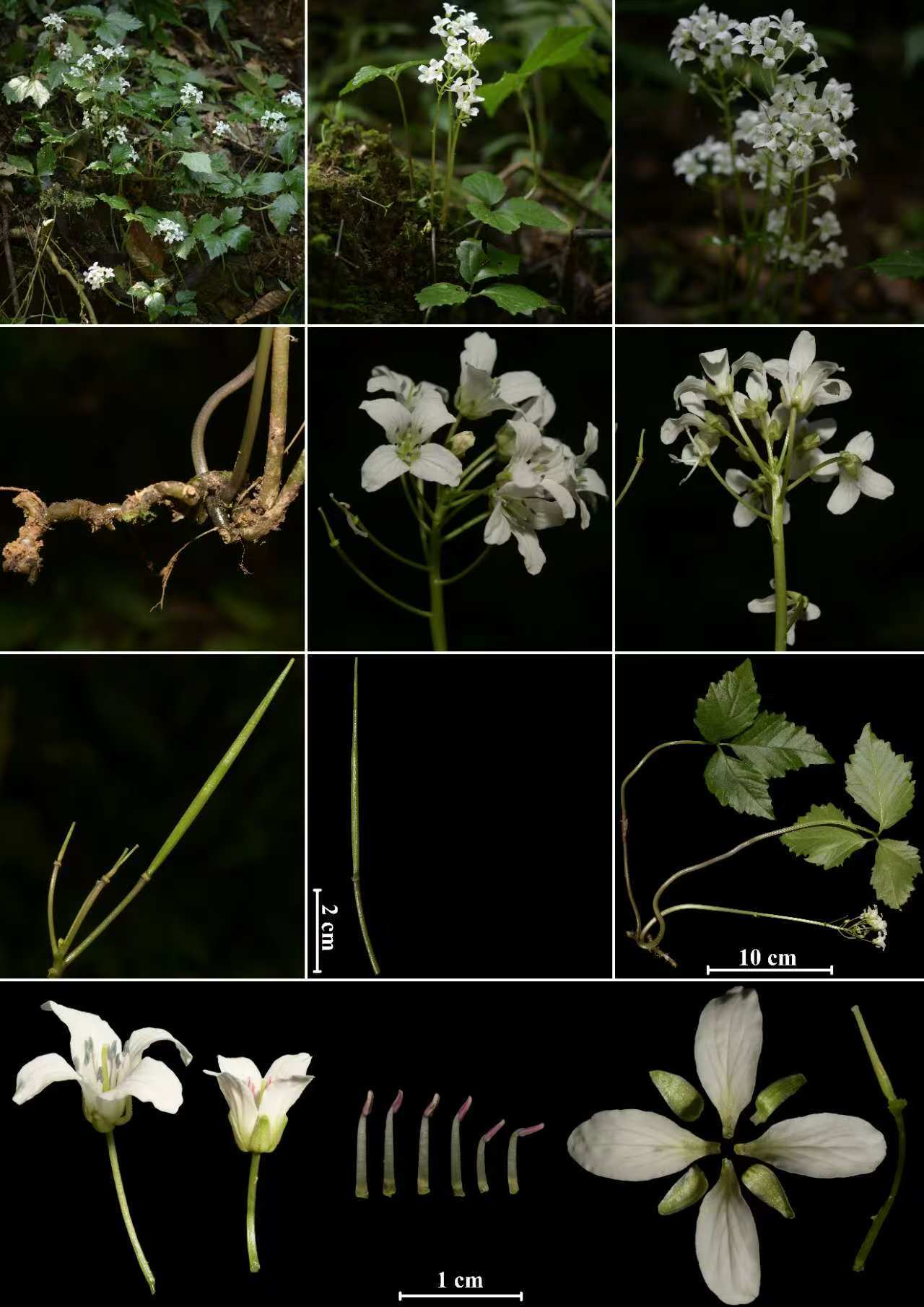
Cardamine cheotaiyienii (Image by DING Hongbo)
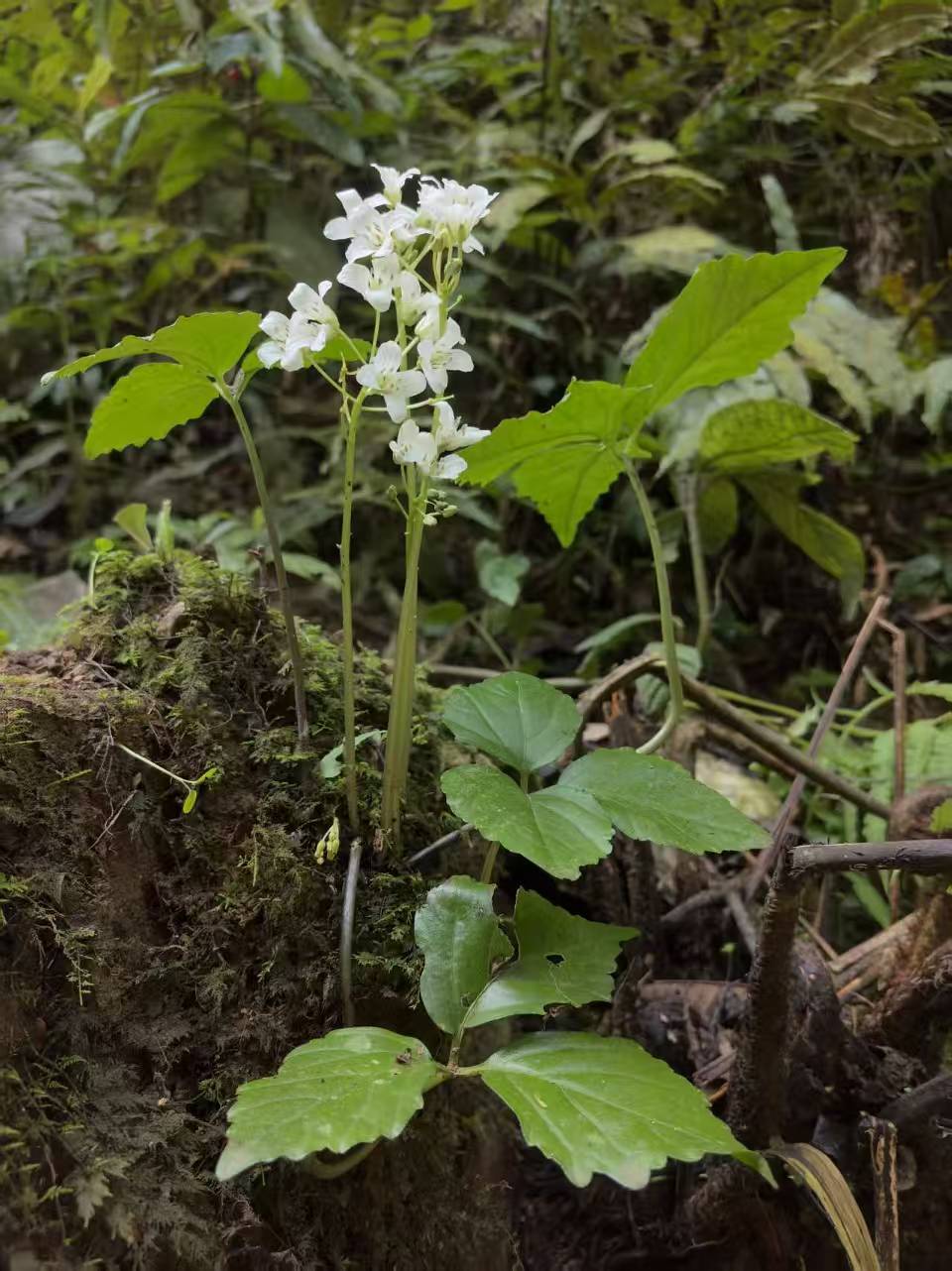
Cardamine cheotaiyienii (Image by DING Hongbo)
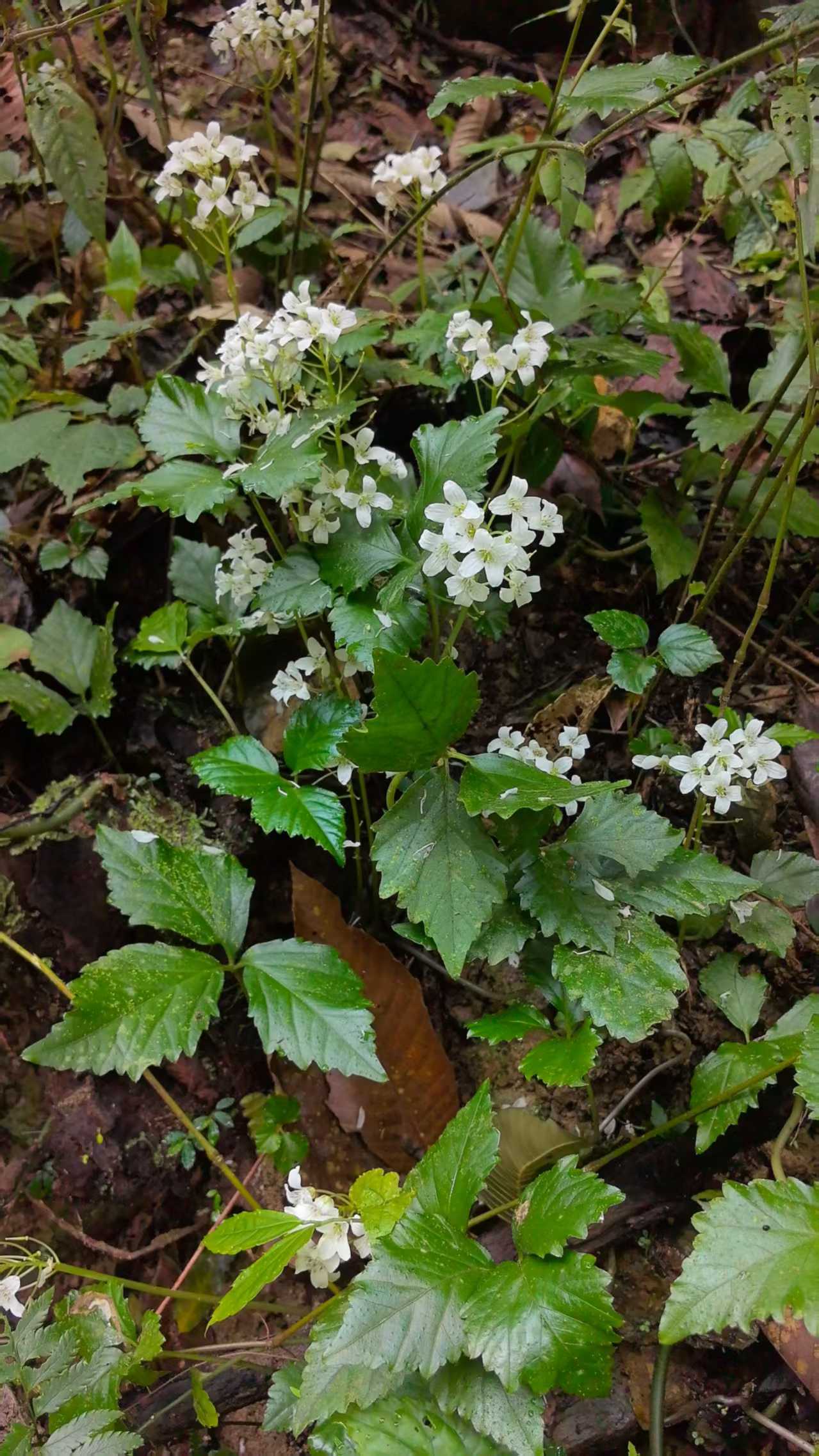
Cardamine cheotaiyienii (Image by DING Hongbo)
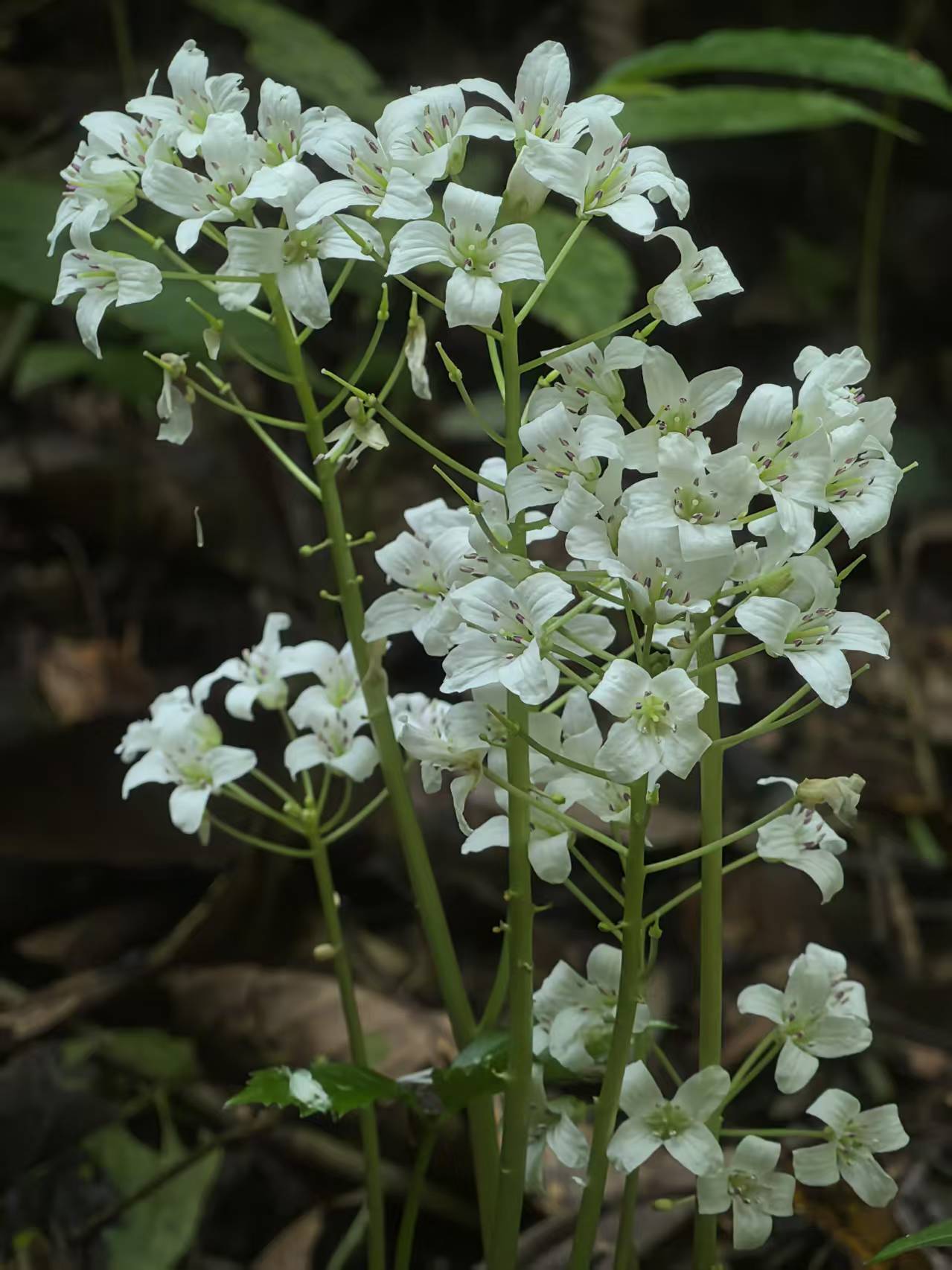
Cardamine cheotaiyienii (Image by TDING Hongbo)