
Chinese scientists have successfully developed in-situ sampling equipment for deep-sea microorganisms at a depth of 1,500 meters, marking a significant milestone in marine biological research.

Researchers test the in situ sampling equipment for deep-sea microorganisms / File photo (Courtesy of the Changchun Institute of Optics, Fine Mechanics, and Physics, Chinese Academy of Sciences)
Using Raman spectroscopy, optical sampling, and microfluidic technologies, a research team from the Changchun Institute of Optics, Fine Mechanics, and Physics, Chinese Academy of Sciences, achieved a breakthrough that fills a gap in both domestic and international capabilities for in-situ testing and sampling of deep-sea microorganisms in extreme environments.
During the R&D process, the team overcame multiple key technical challenges related to in-situ identification, detection, sampling, and analysis of such microorganisms.
Notably, it developed a specialized multi-band microscope by simulating the water conditions at a depth of 1,500 meters, laying the foundation for high-resolution, wide-field imaging of deep-sea microorganisms.
The deep sea is home to a wealth of microbial and other material resources, yet its extreme conditions, featuring high pressure, salinity, and low temperatures, make it a challenging environment.
Research into microorganisms that thrive in such conditions could provide valuable insights into the limits of life. However, 90 percent of deep-sea microorganisms remain uncultivated due to factors such as removal from their natural habitat.
As a result, research into such microorganisms faces multiple challenges, including collection, cultivation, species identification, and data analysis.
Against this backdrop, in-situ sampling is crucial for uncovering marine species diversity and exploring the mysteries of ocean ecosystems. (ECNS)
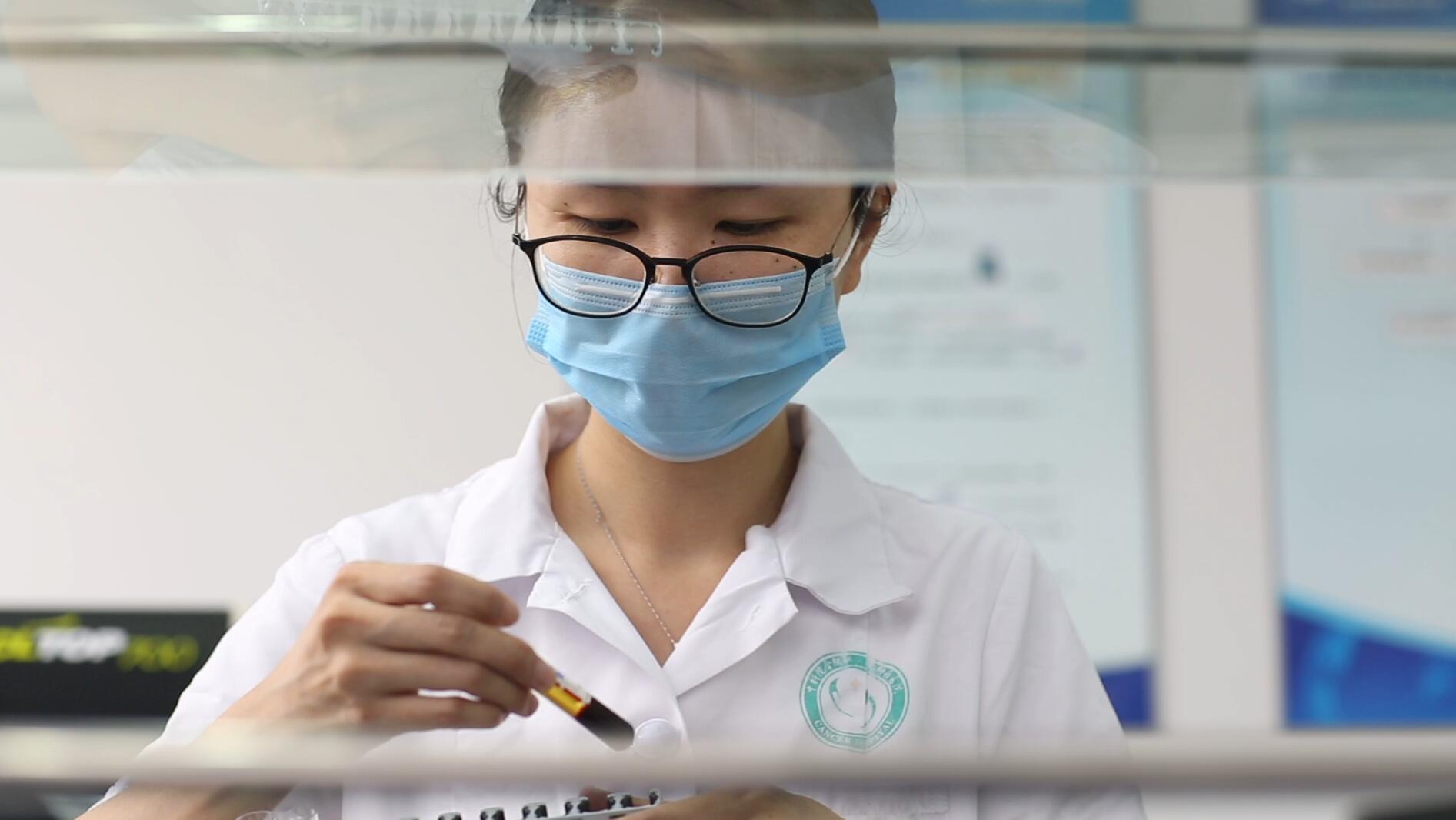
Chinese researchers in Hefei Institutes of Physical Science managed to realize high-performance detection of targets, which could be operated in even complex sample environment. This technology was achieved by a surface-enhanced resonance Raman scattering platform to realize selective detection of catecholamine in serum, according to YANG Liangbao's team with Institute of Intelligent Machines, who led the study.
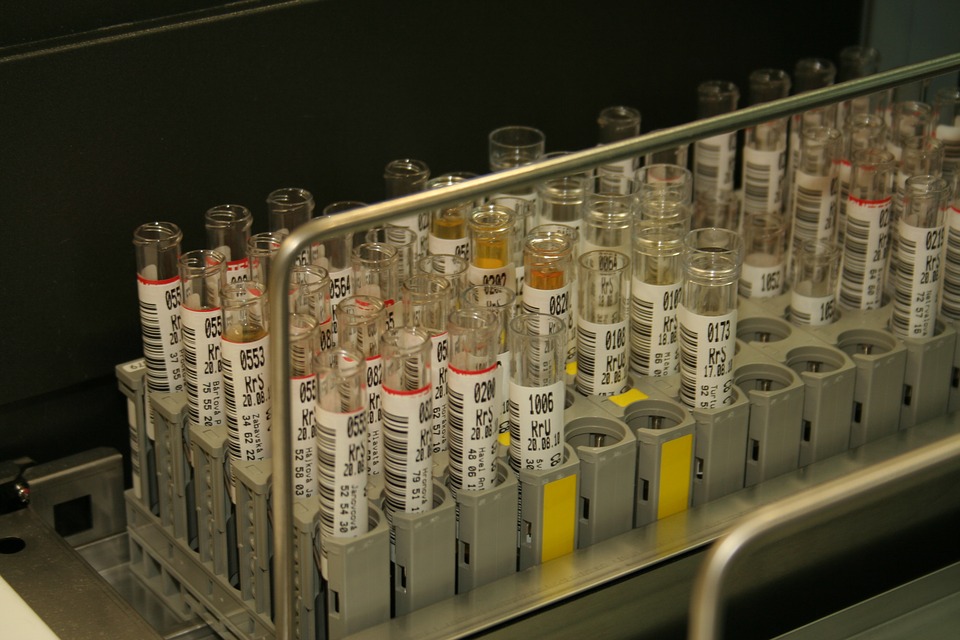
The group led by Prof. ZHU Yongguan from Institute of Urban Environment have developed a rapid activity-based phenotypic antibiotic susceptibility testing (AST) approach directly applicable for clinical urine samples without the need of pre-cultivation via single-cell Raman spectroscopy coupled with heavy water labeling.

86-10-68597521 (day)
86-10-68597289 (night)

52 Sanlihe Rd., Xicheng District,
Beijing, China (100864)
Copyright © 2002 - Chinese Academy of Sciences


