Newsroom


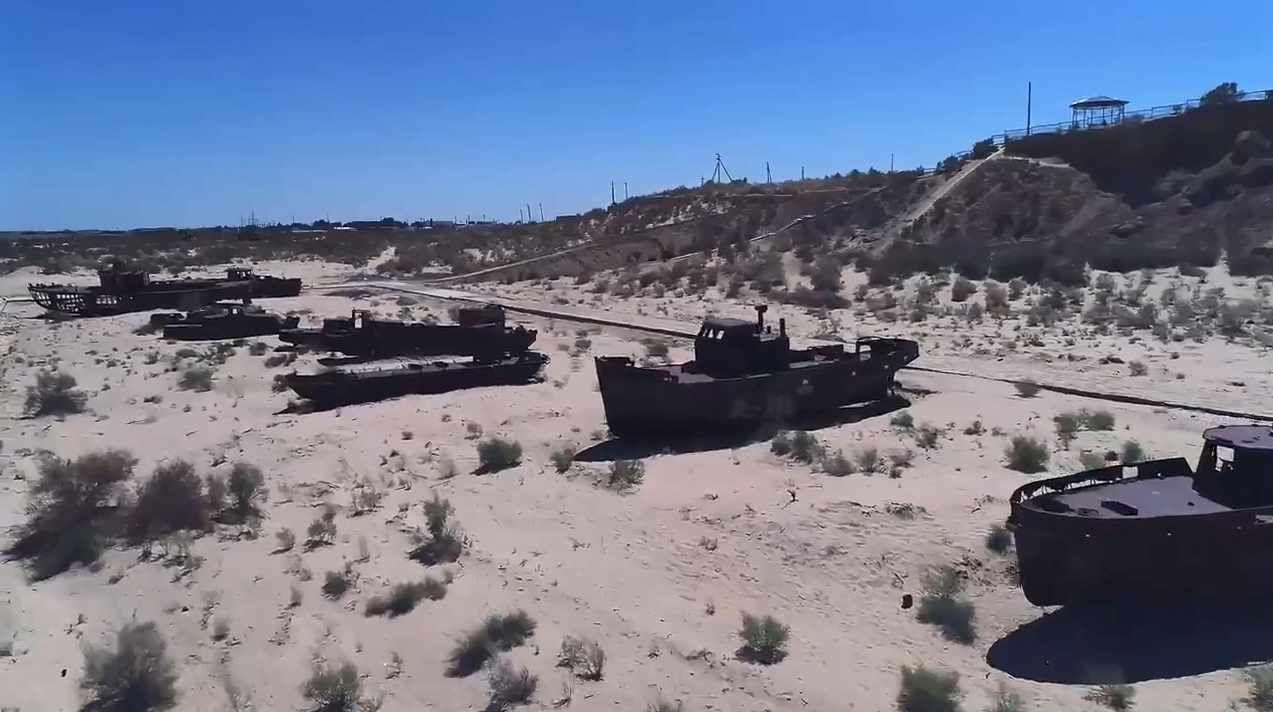
Once the world's fourth-largest lake, the Aral Sea has shrunk by more than 90% since the 1960s, leaving a vast salt-crusted desert.
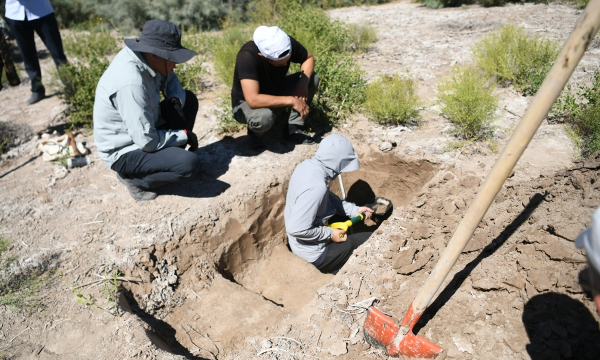
Under the Shanghai Cooperation Organization's green agenda, Chinese and Uzbek scientists have joined forces to restore the ecosystem. Researchers from Xinjiang — home to over 40% of China's saline-alkali land — have developed salt-tolerant plants and water-saving technologies. Since 2018, they have sent more than 1.3 tons of seeds and drip-irrigation systems to Uzbekistan's parched basin. The results include approximately 2 million hectares of revegetated land, weakened dust storms, and cotton yields tripled while water consumption fell by 40% to 50%.
CGTN's Liu Jiaxin and Aljosa Milenkovic trace this cross-border green cooperation from China and Uzbekistan respectively, finding out how Chinese seeds are taking root and bringing renewed hope to the Aral Sea region. (CGTN)