

Research teams led by CAS institutions including the Institute of Geology and Geophysics and the National Astronomical Observatories, along with Nanjing University and others, have made four landmark discoveries based on the SPA samples. Their findings were published in four cover articles in the journal Nature.

A team of Chinese researchers led by Prof. GAO Caixia from the Institute of Genetics and Developmental Biology of the Chinese Academy of Sciences developed an AI-informed Constraints for protein Engineering (AiCE), which enables rapid and efficient protein evolution by integrating structural and evolutionary constraints into a generic inverse folding model.

The Chinese Academy of Sciences (CAS) held an international symposium in Beijing on May 31, themed "Sustainable Development and Inclusive Collaboration: The Responsibilities of the Scientific Community," to mark the 70th anniversary of the founding of its Academic Divisions.
The logo and website of the 5th World Congress of Biosphere Reserves (5th WCBR)—to be held in Hangzhou from September 22 to 27—were officially unveiled at a press conference on May 16, where organizers also shared updates on event preparations.

Scientists from the Chinese Academy of Sciences have made tremendous achievements in the first quarter of 2025.
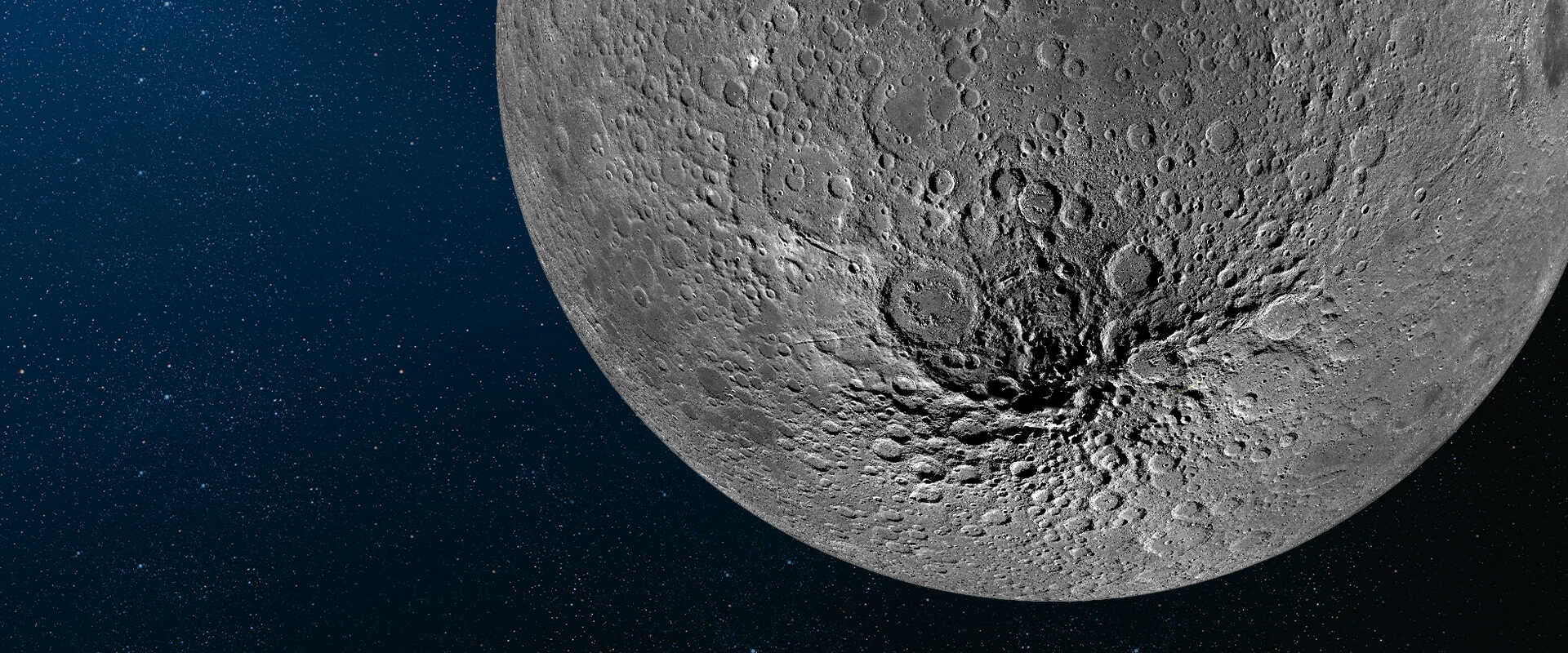
Chinese scientists have discovered that the Moon's mantle contains less water on the lunar farside than on the nearside, based on analysis of basalts collected by the Chang'e-6 (CE6) lunar mission.

86-10-68597521 (day)
86-10-68597289 (night)

52 Sanlihe Rd., Xicheng District,
Beijing, China (100864)
Copyright © 2002 - Chinese Academy of Sciences


