Headlines
Successful SMILE Launching Forges New Chapter in China-ESA Space Cooperation
|
Print


The Solar wind Magnetosphere Ionosphere Link Explorer (SMILE), a collaborative mission between the European Space Agency (ESA) and the Chinese Academy of Sciences (CAS), successfully launched today aboard a Vega-C rocket from Europe’s Spaceport in French Guiana. Following lift-off, the satellite was confirmed to be in its planned orbit, with solar arrays deployed and all systems operating normally, marking a complete success for this landmark China-ESA joint endeavor.
Unveiling the Secrets of Solar Wind-Magnetosphere Interaction
The SMILE mission aims to revolutionize our understanding of the complex interplay between the solar wind and Earth's magnetosphere. Its primary scientific objective is to achieve the first-ever panoramic imaging of this coupling process, dynamically revealing its underlying mechanisms. This represents a significant international milestone in both science and engineering.
To accomplish this goal, the mission incorporates two innovative design elements:
One is the world’s first space-borne Soft X-ray Imager (SXI). This payload detects soft X-rays emitted during charge exchange between solar wind ions and neutral atoms in Earth’s exospheric, allowing scientists to visualize the previously "invisible" boundaries of the magnetosphere.
The other is an integrated "Imaging + In-situ" coordinated observation system. The satellite carries four scientific payloads: the SXI, an Ultraviolet Aurora Imager (UVI), a Light Ion Analyser (LIA), and a Magnetometer (MAG). This comprehensive system enables simultaneous global-scale imaging of magnetospheric dynamics and in-situ measurement of solar wind parameters, providing unprecedented observational capabilities for studying space weather phenomena such as geomagnetic storms and substorms.
A Model for International Space Cooperation
The SMILE mission establishes a new paradigm for international space collaboration, representing the first bottom-up, mission-level and full-lifecycle partnership between CAS and ESA. This joint venture exemplifies an equal, mutually beneficial, and complementary approach across three key areas: work share, payload development, and engineering coordination.
CAS assumed primary responsibility for the satellite platform, mission operation and control, ground support, and the scientific application system. In parallel, ESA contributed the payload module, launch vehicle, launch site, and launch-phase tracking support.
The core payloads development was a truly collaborative effort. The University of Leicester led the SXI development with Chinese participation. CAS sprearheaded the UVI development, with ESA providing key components. CAS also led the development of the LIA and MAG, benefiting from the participation and calibration expertise of several top European research institutes.
To ensure seamless execution, the mission built a full-chain engineering system that integrates six major subsystems. Chinese and ESA teams jointly tackled key technological challenges, such as cross-regional design and system compatibility, fostering an efficient and stable collaborative working mechanism that secured timely and high-quality mission execution.
Mission Timeline and Scientific Prospects
Following the launch, SMILE will undergo about 26 days of orbital maneuvers to reach its final science orbit, followed by a two-month in-orbit commissioning phase. The satellite will then commence its three-year routine science observation phase.
During its operational lifespan, scientists from China and Europe will jointly process and analyze the data collected. All scientific data will be openly shared with the global research community, promoting broad international participation and discovery.
The long-term, stable observational data from SMILE is expected to fundamentally advance our understanding of solar wind–magnetosphere interaction and space weather mechanisms. It will provide critical support for improving space weather forecasting accuracy and enhancing the security of the near-Earth space environment.
Beyond the Mission: A Template for Future Cooperation
The SMILE mission builds upon the legacy of the Double Star Program, marking another milestone in China-ESA in space science cooperation. It stands as one of China's most deeply integrated international space programs, embodying the vision of a community with a shared future for humanity. The cooperation model of "Knowledge Co-creation, Risk Sharing, and Achievement Sharing" offers a replicable template for a new type of international scientific and technological collaboration in outer space.
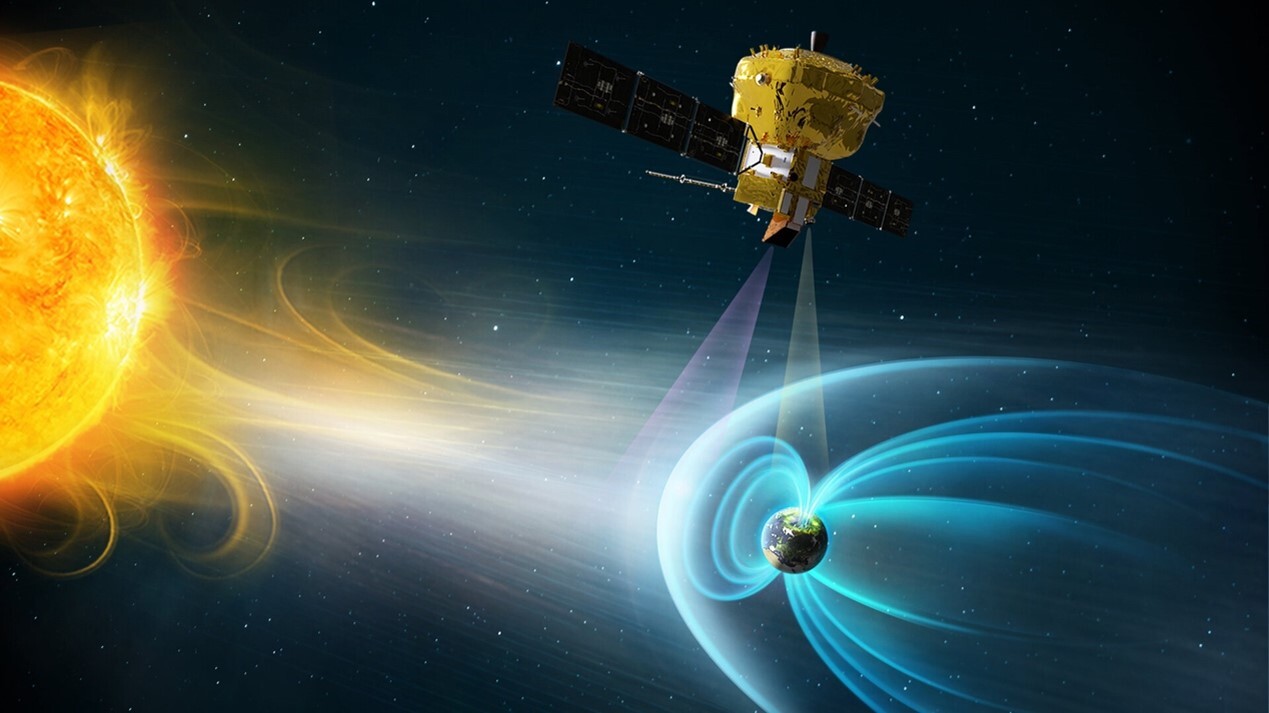
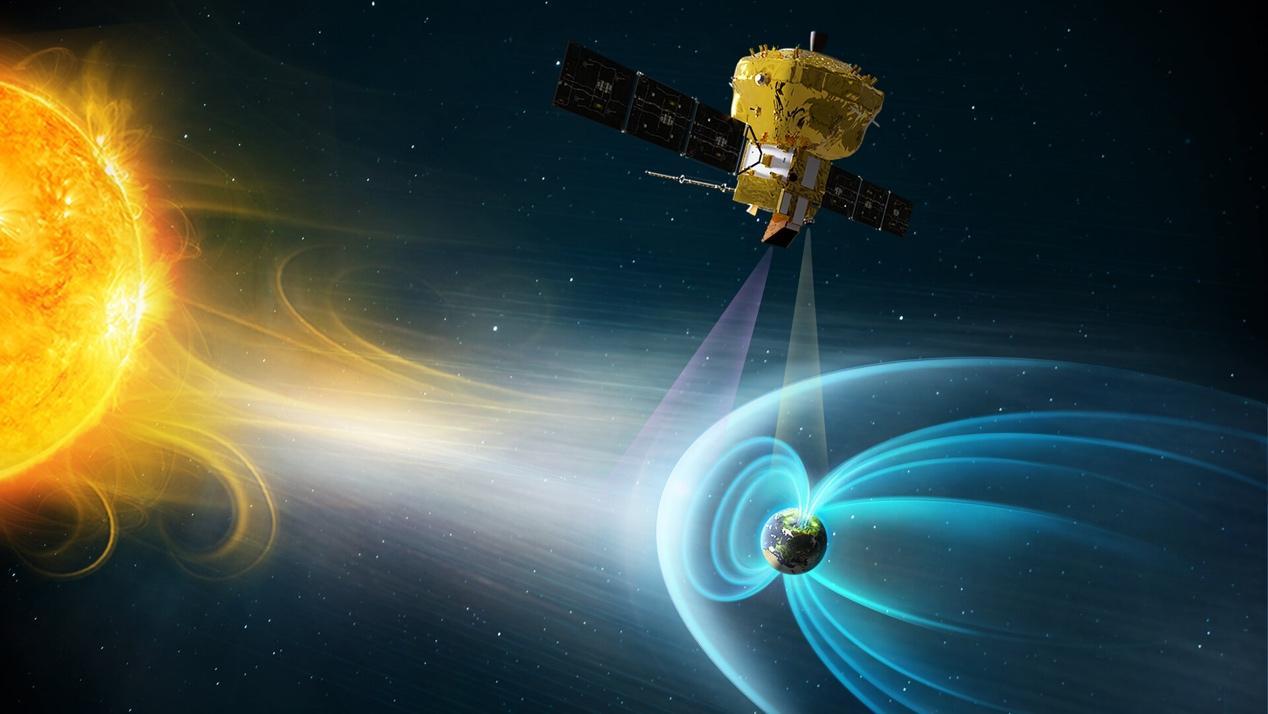
Fig. 1 In-orbit operation diagram of SMILE (Image by ESA)
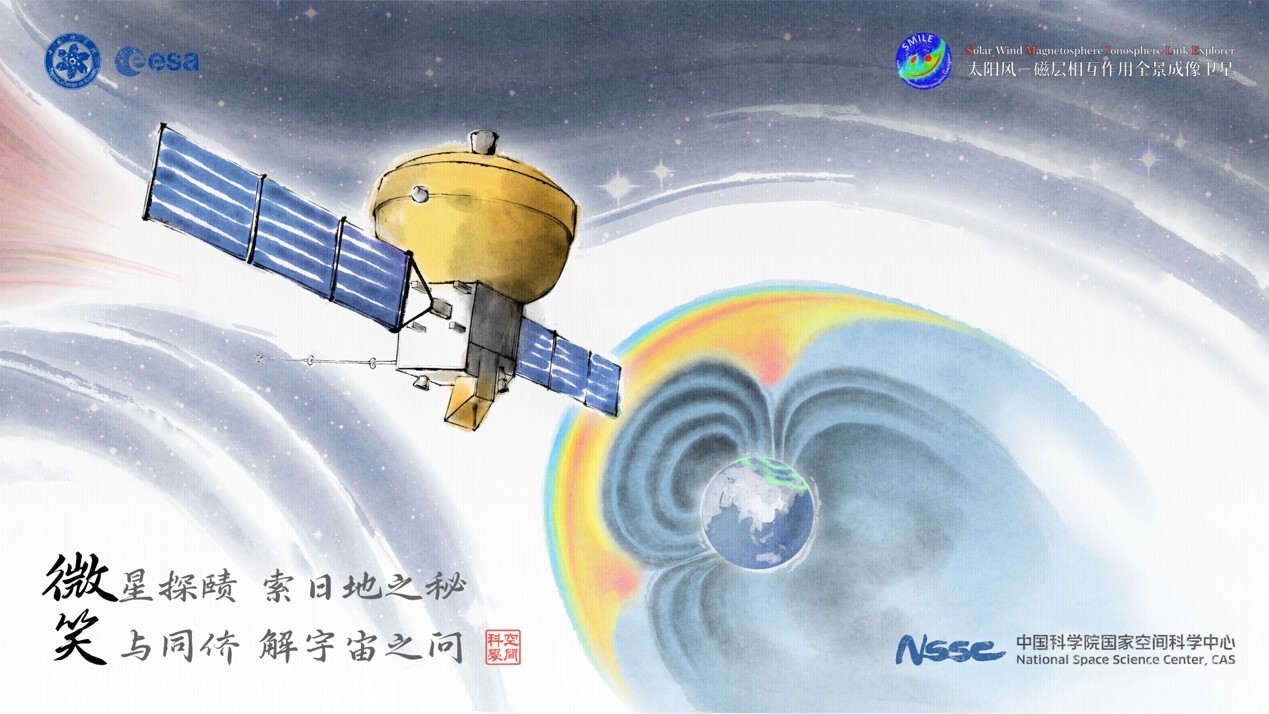
Fig. 2 Artist's impression of SMILE (Image by NSSC)
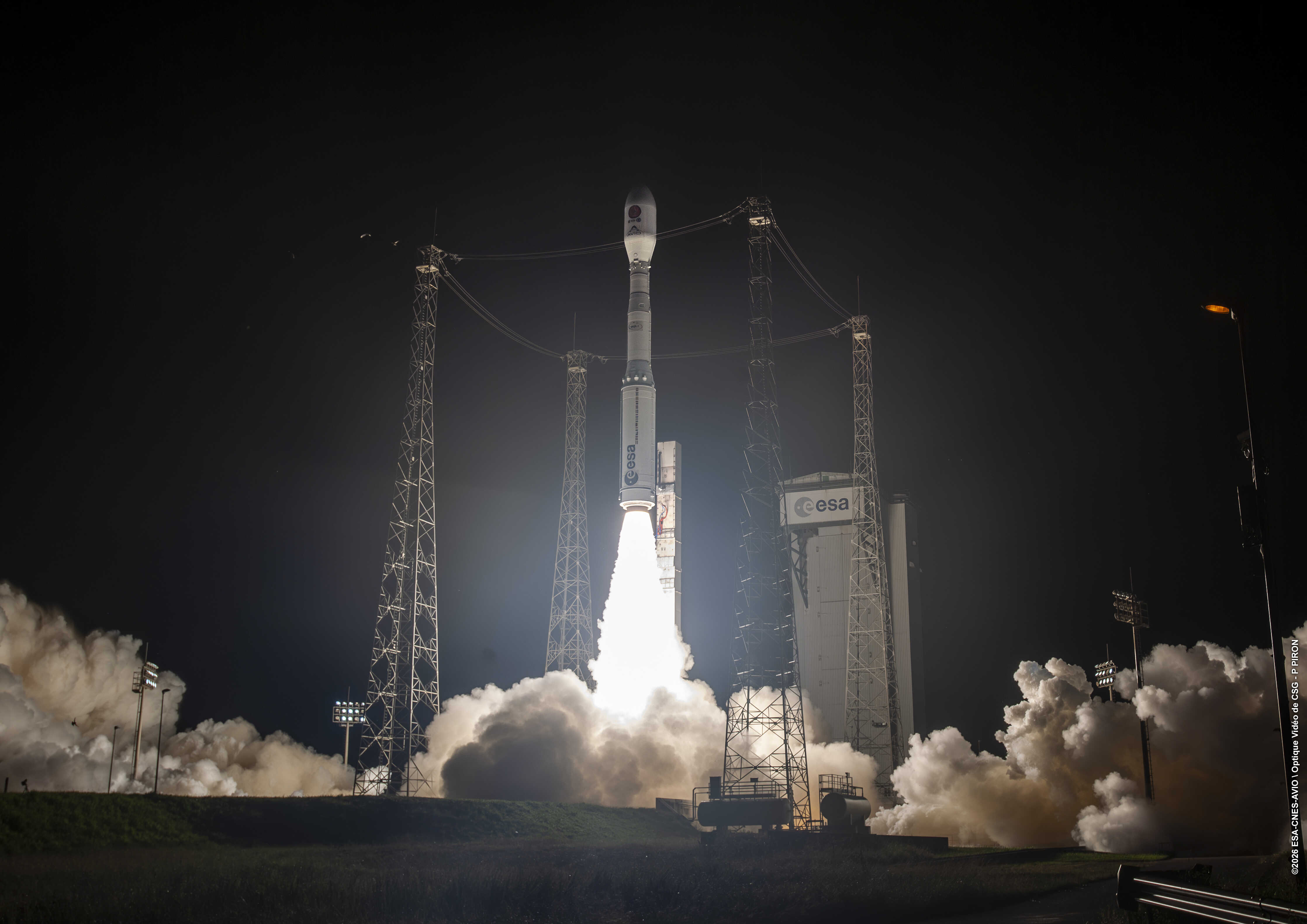
Fig. 3 Lift-off of the SMILE satellite (Image by ESA)